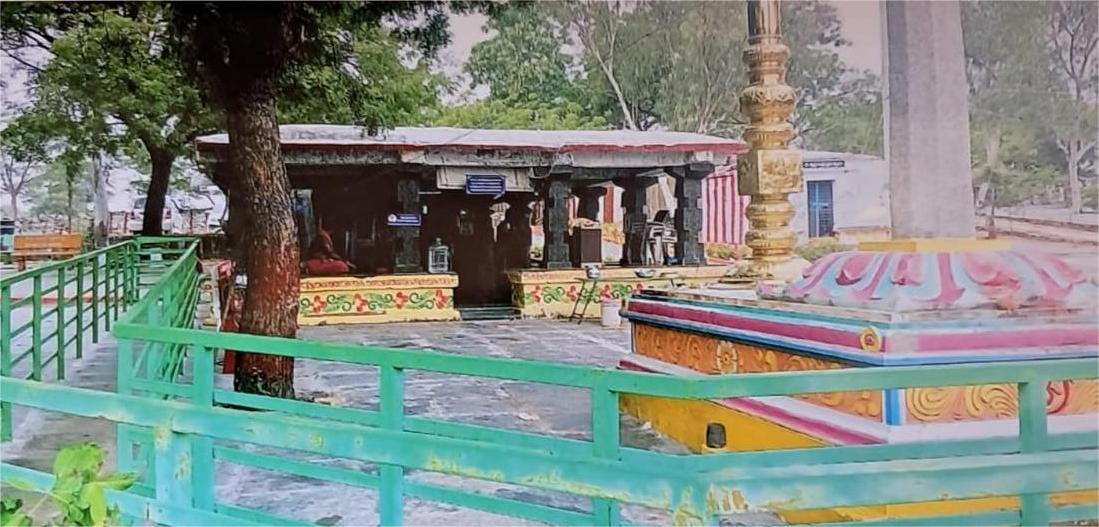
The Sri Bhramaramba Sametha Buggamalleshwara Swamy Temple, near Morjampadu village, was built during the Kakatiya period. This ancient temple features a spacious antaralaya and a front mandapa supported by 16 pillars.
Special Features
The Sri Bhramaramba Sametha Buggamalleswara Swamy Temple, located near Morjampadu village, was constructed during the Kakatiya period, as indicated by historical inscriptions. In any religious practice, the merit gained from worshipping in a temple surpasses that of performing rituals at home; merit from visiting a riverbank exceeds that of a temple; and the merit from performing rituals atop a mountain peak is even greater. Among all these, the Sri Buggamalleswara Swamy Temple, a self-manifested (Swayambhu) shrine located on the northern-flowing Krishna River, is exceptionally auspicious for spiritual practices. It is said that sages would bathe in the river and perform penance at this temple. Therefore, this temple is renowned as a Rishi-pratishtha (established by sages).
The temple's layout includes two sacred ponds in the southwest and northeast directions, making this site a well-known place of divine convergence.
The temple features a spacious antaralaya (inner hall) and a front mandapa supported by sixteen pillars. In the sanctum sanctorum, the Shiva Lingam is accompanied by a gentle natural spring on the side. Remarkably, no matter how much water is drawn from this spring, it always remains full. Abhishekams (ritual bathing of the deity) are performed using this water. Even without sunlight, the water remains pure, underscoring the temple's divine significance. Behind the sanctum lies the Nagabandha (sacred serpent enclosure), and devotees firmly believe that the serpent deities invisibly visit the temple to serve the Lord. A historical account mentions that during a recitation of the Mahanyasa by Sri Jagannadha Shastri, a descendant of the temple's traditional caretakers, a divine serpent appeared, coiled around the deity like an ornament, and vanished after the ritual, demonstrating the temple's mystical power.
Within the temple complex, there is also a shrine for Vruddha Malleswara Swamy, reminiscent of the SriSailam temple. On an elevated spot in the northwest lies the sanctum of Goddess Bhramaramba. Other shrines include the Ramalayam, Lord Hanuman temple as the protector of the site, Sri Valli Devasena Sametha Subrahmanya Swamy Temple, a Navagraha Mandapa with Mrityunjaya, and a Yagasaala. Together, these sub-shrines make the temple complex vibrant and spiritually significant.
In the 18th century, during a visit to Kamepalli village, the great devotee of Shiva and ruler of the Amaravati region, Sri Vasireddy Venkatadri Naidu, performed abhishekams at this temple following his strict practice of not taking food without first worshipping Shiva. Through the efforts of the temple Dharmakartha, Sri Mandadi Sita Ramaiah, the historical and spiritual significance of the temple was preserved and the temple's development was supported. Therefore, devotees are encouraged to visit this ancient temple and seek the blessings of Buggamalleswara Swamy & Ammavaru.
Sri Bhramaramba Temple
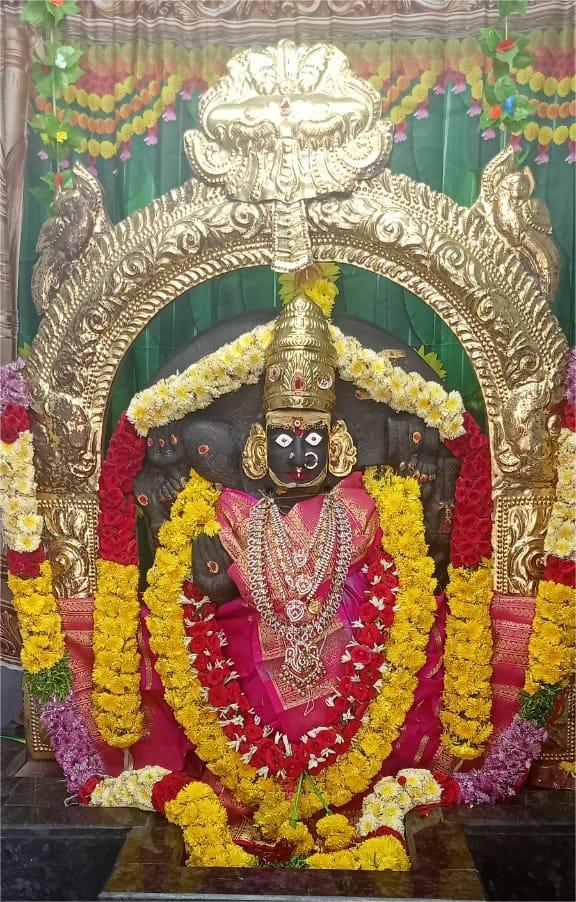
Sri Bhramaramba Ammavaru Temple
A distinctive feature of this temple, reminiscent of Srisailam, is the shrine of Goddess Sri Bhramaramba, which stands on an elevated position in the northwest. The beautifully adorned idol of the Goddess inspires devotion and serves as a guardian for the devotees.
Vruddha Malleswara Swamy Temple
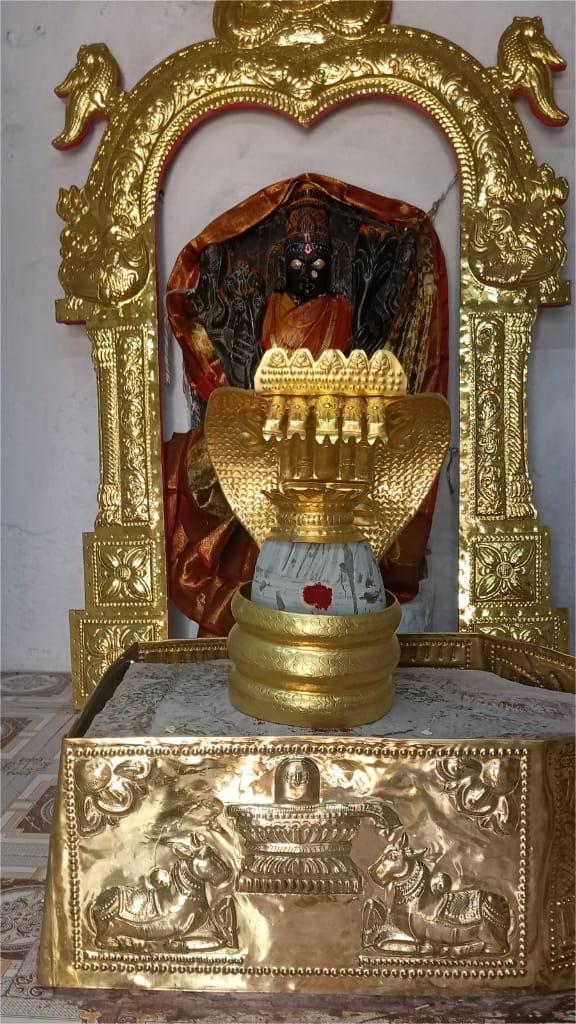
Vruddha Malleswara Swamy Temple
Similar to the Srisailam Kshetra, the temple of Lord Vruddha Malleswara Swamy is also situated within this temple complex. Here, along with the Shivalinga, devotees are also offered the blessings of Goddess Rajarajeshwari.
Temple Premises & Upalayaalu
The temple premises also house other shrines, including the Sri Valli Devasena Sametha Subrahmanyeswara Swamy Temple, the Mrityunjaya Sahita Navagraha Mandapam, and the Yagasaala.
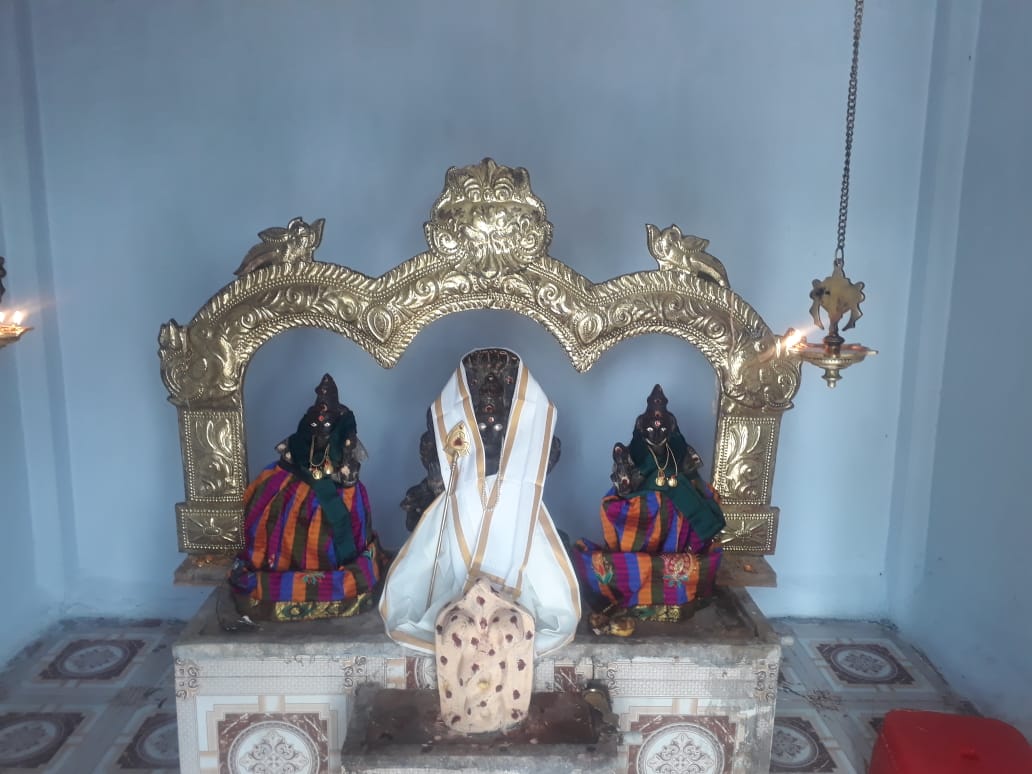
Sri Valli Devasena Sametha Subrahmanya Swamy
Historical Background
In the 18th century, the ruler of Amaravati Samsthanam, the great Shiva devotee Sri Vasireddi Venkatadri Nayudu Garu, while touring Kamapalli village, visited this sacred site. Being one who would not eat without performing Shiva worship, he visited this temple in the forest and performed abhishekams etc.
At that time, through the temple trustee Sri Mandadi Seetha Ramaiah Garu, the Maharajah learned about the temple's specialty and donated 12 acres of land for the temple's development, as known from history.
Sri Rama and Anjaneya Swamy Temples
On the southern side of the temple stands the shrine of Sri Sitaramachandra Swamy, while opposite it are the temples of Sri Anjaneya Swamy, revered as the KshetraPalaka of this region.
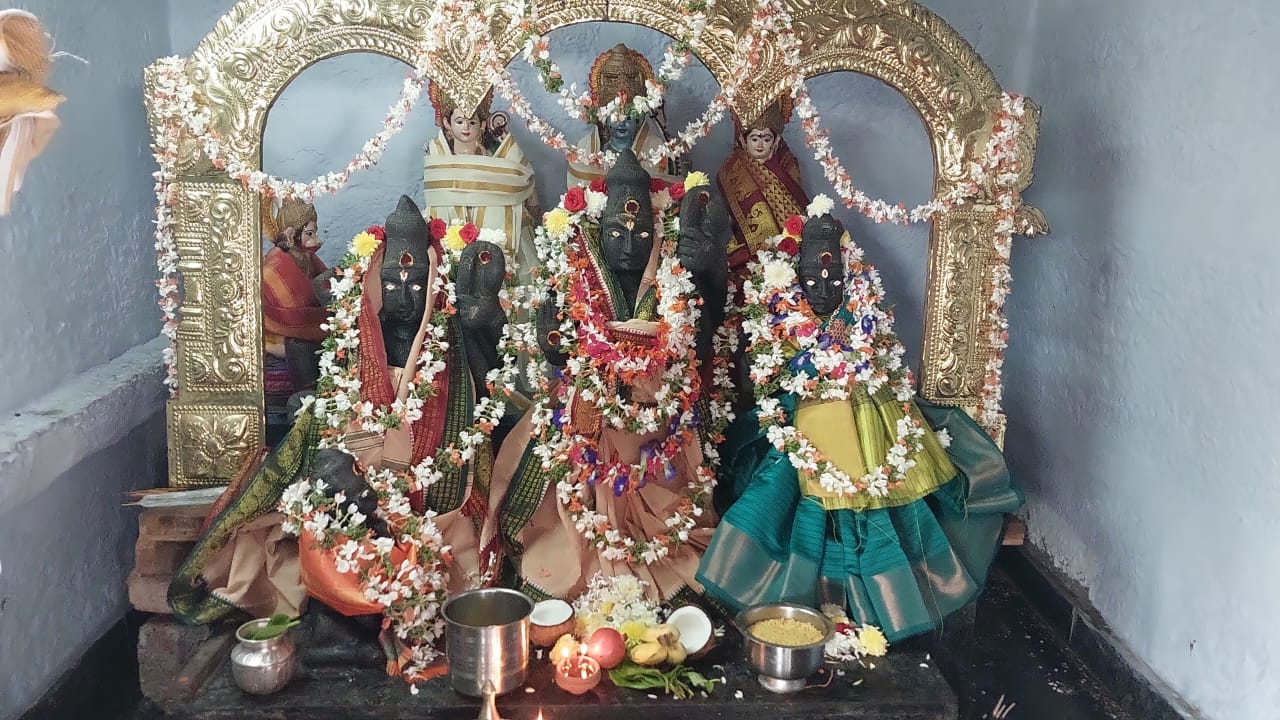
Sri Rama Temple
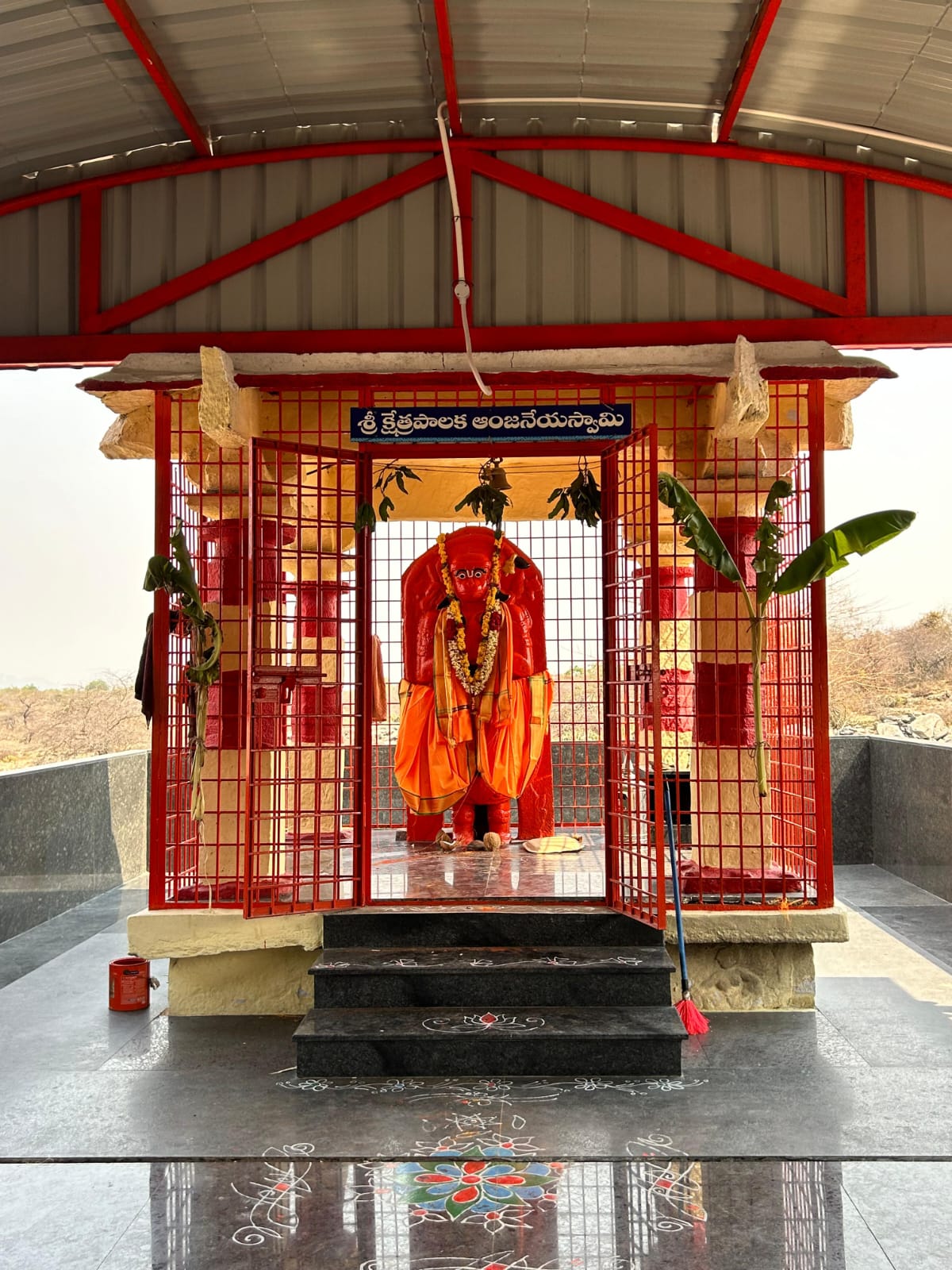
Sri Anjaneya Swamy Temple
Sarvejana Sukhinobhavanthu